What is socialization?
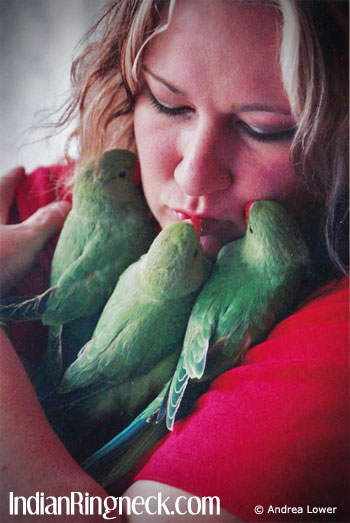
Socializing a ringneck is a task that requires careful attention. Humans expect their ringnecks to thrive in our environment, but we often fail to help our parrots understand our way of living. Many birds suffer from poor socialization due to breeders who prioritize profit over the birds’ well-being. Many baby parrots are hand fed, weaned, and sold with minimal interaction. This neglect leads to parrots that can become phobic, difficult, and unfriendly.
Socialization forms the foundation for our parrots to reach their full potential in human environments. It provides a mental blueprint for how ringnecks react to new situations throughout their lives. Proper socialization benefits baby parrots the most, but any bird can benefit from ongoing socialization.
Younger Parrots and Socialization
Younger ringnecks have an early opportunity to learn about living with humans without preconceived notions. During this developmental window, their cognitive development accelerates. In the wild, this helps baby parrots develop skills and learn about their environment. In captivity, this period can be advantageous for socializing and has a lifelong impact.
During this phase, the young bird’s brain absorbs everything in its environment. Parrots, like humans, learn boundaries, expectations, and communication. Juvenile ringnecks are carefree and accepting of change, unlike most adult parrots. During this stage, the parrot and the owner benefit the most from socialization.
Older Ringnecks and Socialization
Older ringnecks without early human exposure must first be tamed before socialization. Once a bond forms, socialization can begin. However, older ringnecks are usually set in their ways. Positive reinforcement is the best method to bring about significant change. Taming and properly socializing an older ringneck is challenging but possible.
How to Socialize a Young Ringneck
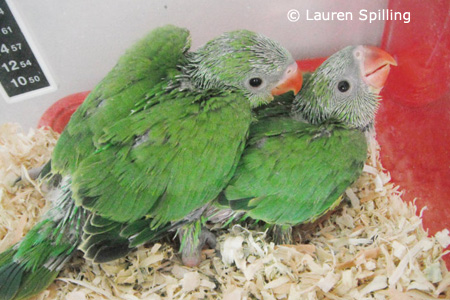
Socialization starts when the ringneck is a baby. In the wild, mother ringnecks stay with their chicks for at least 10 days. Humans cannot replicate this time but should ensure the chick feels secure. Giving the chick something to snuggle with simulates early interaction. During feeding sessions, breeders should interact with and hold the baby for a few minutes, using gentle caresses and a soothing voice.
As the ringneck feathers out and sustains its own temperature, breeders should increase holding sessions. Introducing toys, petting, and handling the baby on its back helps the bird enjoy stimulation as it matures. Exposing the baby to new objects, environments, people, pets, and noises molds a fearless mature ringneck.
Weaning
In the wild, ringnecks wean as early as 10 weeks with guidance from their parents. In captivity, weaning typically occurs around 12-13 weeks but may take longer for isolated chicks. Forcing a baby to wean by starvation is cruel and unacceptable. This method creates a stressful environment and can cause long-term psychological damage. Starving chicks do not learn to eat; they beg for food until their demands are met. Ringnecks fed smaller, more frequent meals are more inclined to play with food and eventually learn to eat.

Weaning takes time and patience. Babies naturally lose weight and refuse larger feedings during this phase. Introducing a variety of colorful, textured foods like pellets, seeds, fruits, and vegetables makes weaning enjoyable and prevents the development of a seed-only diet.
Nail Trimming and Wing Clipping
Trimming nails and wings is stressful for pet ringnecks. Early exposure to grooming habits can make these routines less stressful. Breeders should simulate nail and wing clipping daily. Clipping wings and nails too early can hinder confidence. Before clipping wings, ringnecks should be allowed to fly, hover, and land to develop motor skills. Once these skills are mastered, wings can be clipped to maintain tameness.
No Wrong or Right Way
Breeders should be creative and forward-thinking. There is no wrong or right way to approach socialization, but many breeders share their methods. Research and decide what works best for you and your ringnecks. Being open to new ideas gives the bird a better chance at a successful life with their new owners. A well-socialized bird develops a healthy state of mind and rewards its owner with loyalty, curiosity, and affection.
Socialization is an ongoing process. Breeders should educate buyers, and buyers should continue the socialization process. Ringnecks continue to learn throughout their lives, and this should be nurtured. A well-socialized ringneck enjoys the company of humans and other birds. Continue to stimulate their curiosity and gently guide them as they progress.